How Dental Implants in Bakersfield CA Support Adjacent Teeth
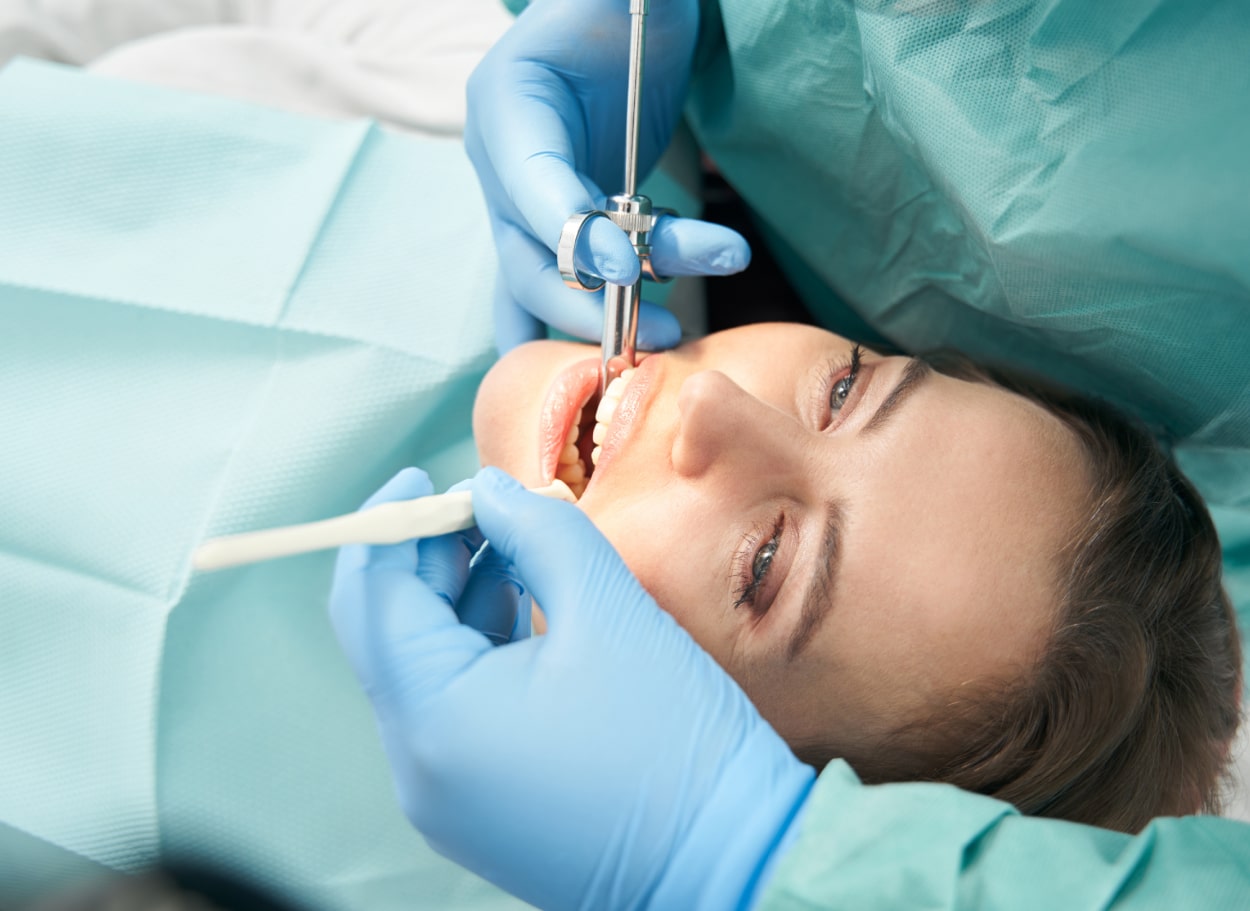
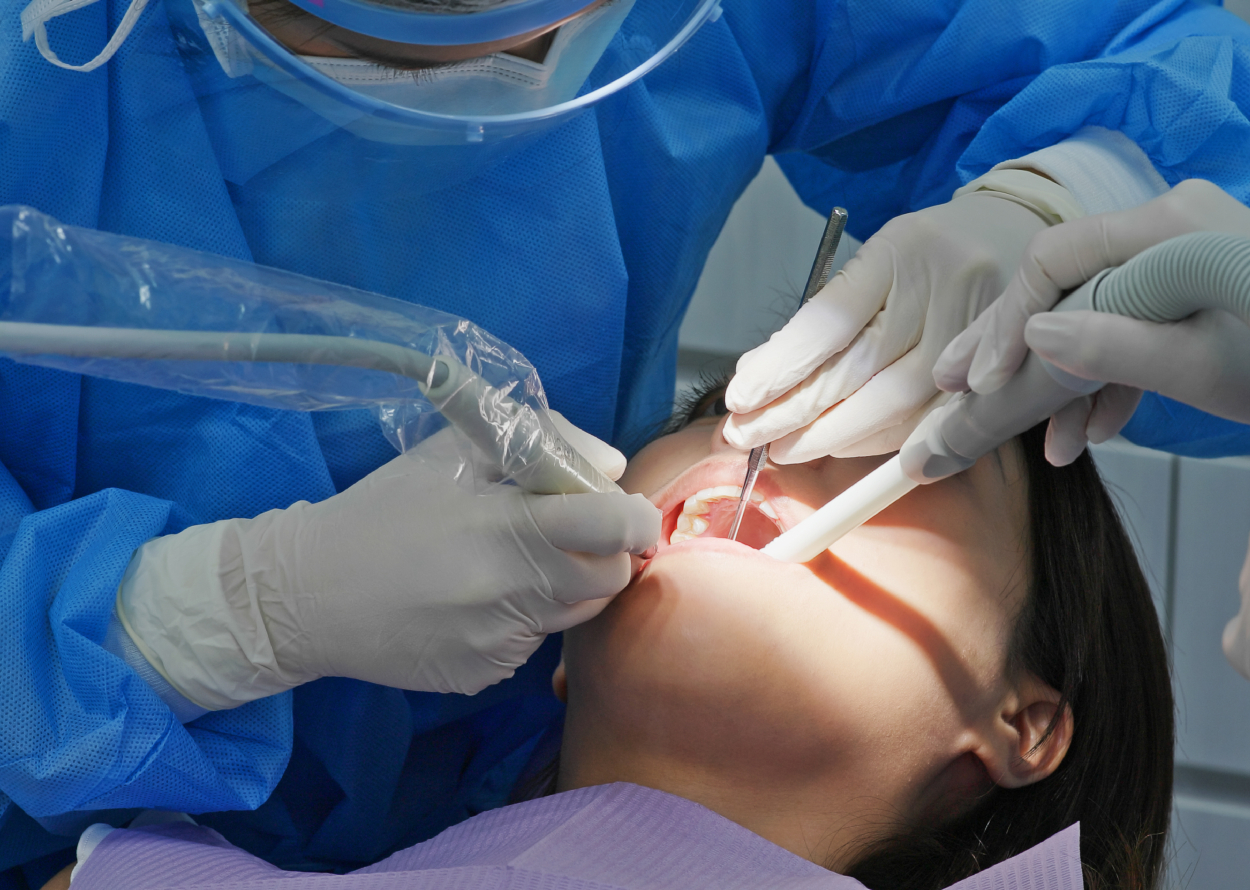
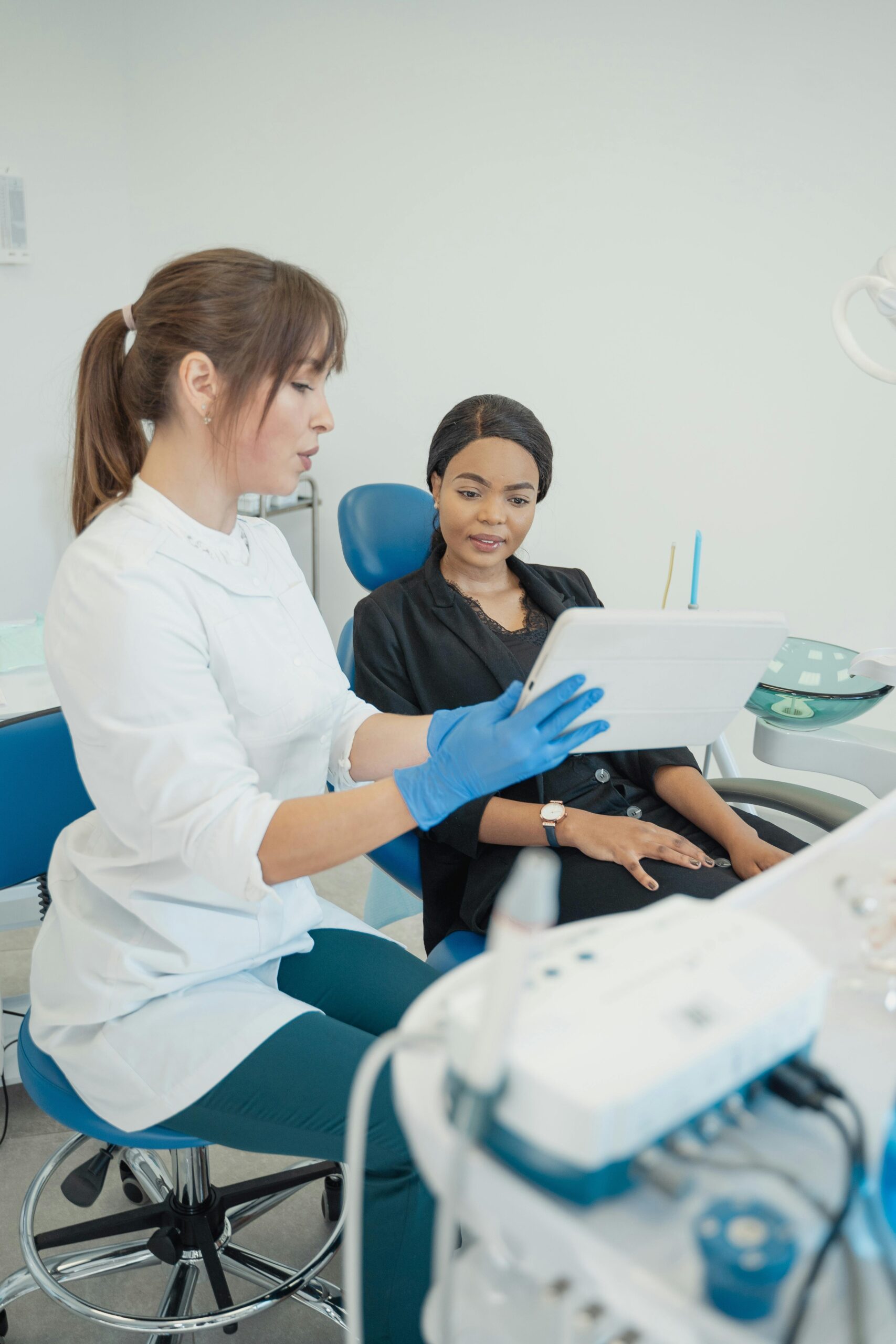
When people think about a missing tooth, they usually picture the gap. What they do not always picture is everything happening around that gap. Teeth are not isolated pieces of anatomy. Each one shares chewing forces with its neighbors, helps maintain spacing, and plays a role in keeping the bite stable. Remove one tooth and the change can ripple outward in ways that are surprisingly practical, from food trapping between teeth to drifting, uneven wear, and a bite that no longer feels balanced.
That is one reason dental implants matter beyond appearance. A well planned implant does more than replace the visible crown. It restores support in the space where a natural tooth used to be, which helps protect the teeth beside it. In a place like Bakersfield, where patients often want durable treatment that can stand up to busy schedules, dry climate habits, coffee, sports, and years of hard chewing, that long-term support becomes especially relevant. When people search for Dental Implants Bakersfield CA, they are often asking about replacing a missing tooth. Just as often, though, they are really trying to prevent the rest of their mouth from becoming a bigger project later.
A missing tooth changes more than the smile line
The mouth adapts quickly. If a molar comes out and the space stays open, the neighboring teeth often start to lean into it. The opposing tooth, the one above or below the gap, may begin to super-erupt, meaning it shifts farther out than it should because it no longer has a contact point stopping it. Patients rarely notice this at first. They notice the side effects instead. Food starts packing into a spot that never used to catch anything. Floss shreds or gets stuck. A once-simple cleaning now takes extra work.
I have seen cases where a patient lost a lower first molar years earlier and decided to “just leave it alone” because the front teeth still looked fine. By the time they came back in for treatment, the second molar had tipped forward enough that the implant space had narrowed. What could have been a fairly straightforward implant placement turned into a more complicated conversation involving orthodontic uprighting or restorative compromise. The missing tooth was not the only issue anymore. The adjacent teeth had been affected by years of unsupported movement.
This is the practical value of replacing a tooth sooner rather than later. An implant helps preserve the architecture of the space. It gives the neighboring teeth a defined boundary, much like a proper bookend keeps books from slanting on a shelf.
Why implants support adjacent teeth differently than other options
Traditional bridges have their place, and in some cases they are absolutely the right choice. But from the perspective of protecting adjacent teeth, implants offer a distinct advantage. A bridge often requires the dentist to reshape the teeth on either side of the gap so crowns can anchor the restoration. If those neighboring teeth already have large fillings, cracks, or old crowns, that may be reasonable. If they are healthy and intact, many patients prefer not to remove enamel from them just to replace one missing tooth.
An implant stands on its own. It is placed in the bone where the root used to be, then restored with a crown that contacts the adjacent teeth without relying on them for support. That matters for several reasons.
First, the neighboring teeth are left structurally alone. Healthy enamel stays healthy enamel.
Second, the load of chewing is transferred through the implant into the jaw rather than being shared through bridge retainers on adjacent teeth. Dental implants do not have a periodontal ligament like natural teeth, so they feel and function a bit differently under force, but they still provide a stable unit in the bite. When designed correctly, that stability reduces the tendency for adjacent teeth to drift toward the open space.
Third, cleaning is usually more straightforward. A bridge can create areas under the replacement tooth that require floss threaders or special brushes. An implant crown can often be cleaned more like an individual tooth, though hygiene technique still matters a great deal.
For patients comparing options, this independence is often the single most important point. The replacement tooth does not ask the neighboring teeth to do extra work.
The role of spacing, contact points, and bite stability
Dentistry sometimes sounds technical when the real-world issue is simple: teeth want contact and order. Each tooth should touch the next one in a controlled way. Those contact points help prevent food impaction and maintain proper spacing. When a tooth is lost, one contact is gone immediately, and the surrounding teeth start responding to that new reality.
An implant crown restores that contact. If it is shaped properly, it helps maintain the position of the teeth next to it. If it is shaped poorly, too loose, too broad, too narrow, it can create new problems. That is why restorative design matters as much as the implant itself. Good implant dentistry is not just about placing titanium into bone. It is about rebuilding anatomy accurately enough that the whole system functions well.
This is especially important between posterior teeth, where chewing forces are strongest. On back molars, even subtle drifting can affect how the cusps fit together. A patient may say, “It just feels like I hit on one side first.” That small imbalance can lead to clenching on one tooth, soreness in a ligament, or accelerated wear on a neighbor. Restoring the missing tooth with an implant often helps distribute force more evenly and keeps adjacent teeth from becoming the unintended load bearers.
Bone loss affects neighboring teeth, even if they never move much
One of the biggest reasons implants help support adjacent teeth is less obvious than spacing. It has to do with bone.
After a tooth is removed, the body begins remodeling the bone in that area. This is normal biology. The part of the jaw that once held the tooth root no longer receives the same stimulation, so over time the ridge can shrink in width and height. The pace and extent vary from person to person, but the pattern is common.
Why does this matter to the neighboring teeth? Because the bone and gum architecture around a missing tooth contribute to the support and cleansability of the teeth beside it. As the ridge resorbs, the contours of the area can change. The papillae, those small peaks of gum tissue between teeth, may flatten or become harder to maintain. Food traps can worsen. Cleaning can become more awkward. In severe cases, the restorative options later on become less ideal because the implant site no longer has enough bone and may require grafting.
An implant placed in a timely manner can help preserve bone by transmitting functional forces into the area. It does not stop all remodeling forever, and no responsible dentist should claim that it does. But compared with leaving a space empty, an implant generally does a much better job of maintaining the underlying ridge. That preservation supports the soft tissue contours next to adjacent teeth and helps the entire area remain more stable over time.
Support does not mean “set it and forget it”
Implants are durable, but they are not maintenance free. I have had patients assume that once an implant is in, it is somehow immune to plaque, bite problems, or gum inflammation. The implant itself does not decay, but the tissues around it can absolutely become inflamed. Peri-implant disease is real, and it can undermine the long-term health of the restoration and the neighboring teeth if hygiene is poor.
This matters because an unhealthy implant site can become a food trap or inflammation source that affects adjacent gums. If plaque accumulates around the implant crown, the contacts with neighboring teeth can become harder to clean effectively, and the tissue between them can become puffy or sore. https://rowanztgs425.lumenforgex.com/posts/who-needs-dental-implants-in-bakersfield-ca-2 A well-done implant should make the area easier to stabilize, not harder.
The patients who do best tend to treat the implant as a valuable part of the mouth, not a mechanical spare part. They keep up with professional cleanings, ask whether they are clenching, and replace worn night guards when needed.
A few habits make a noticeable difference:
- Clean between the implant and adjacent teeth every day with floss, interdental brushes, or the tool your dentist recommends.
- Keep regular maintenance visits so contacts, bite, and tissue health can be checked before small issues grow.
- Report food trapping, bleeding, or a crown that feels “just slightly off,” because those details often point to fixable problems.
- Use a night guard if you grind or clench, especially if you have multiple restorations in the back of the mouth.
The Bakersfield factor, habits and wear patterns matter
Every community develops its own oral health patterns, and local lifestyle can influence dental decisions more than people realize. In Bakersfield, many adults have a history of heavy function, whether from physically demanding work, stress-related clenching, sports, or simply decades of wear on back teeth. It is common to see flattened cusps, cracked fillings, and old extractions that were never replaced because life got busy. When that is the backdrop, protecting adjacent teeth becomes less theoretical and more urgent.
A patient with significant grinding forces, for example, may lose a tooth and then overload the neighboring ones for years without noticing. By the time they seek treatment, those adjacent teeth may have craze lines, gum recession, or old restorations under strain. In cases like that, a dental implant is not just a replacement. It is part of redistributing force so the neighboring teeth are not doing the work of two.
Searches for Dental Implants Bakersfield CA often come from people who have put off treatment while managing work, family, and other expenses. That is understandable. The key is knowing what the delay can cost. Sometimes the cost is simply more bone loss and a need for grafting. Sometimes it is loss of space, drifting teeth, cracked neighboring restorations, or a bite that has become harder to rehabilitate cleanly.
When adjacent teeth are already compromised
Not every implant case begins with pristine neighboring teeth. Often the adjacent teeth have fillings, crowns, recession, or some degree of movement already. In those situations, the value of an implant can actually become clearer.
Imagine a patient missing a second premolar, with a first premolar in front that has a large composite filling and a first molar behind it with an older crown. A three-unit bridge could work, but it may ask two already-restored teeth to absorb more functional stress over time. An implant may allow those neighboring teeth to remain independent. If the crown on the molar eventually needs replacement, it can be treated on its own timetable rather than as part of a connected bridge.
There are trade-offs. If bone is limited, if the sinus is close in the upper back jaw, if medical conditions complicate healing, or if the patient has severe uncontrolled periodontal disease, treatment planning becomes more nuanced. A good dentist does not sell an implant as the answer to every problem. The right approach depends on bone volume, gum health, bite forces, age, habits, and budget. But when the question is specifically how to support adjacent teeth, an implant often provides the most conservative long-term framework.
Timing can preserve options
There is a common misconception that if a tooth has been missing for years, there is no point in reconsidering the space unless it hurts. Pain is actually a poor guide here. Many bite changes happen quietly. The better question is whether restoring the space now could protect the rest of the dentition later.
In fresh extraction cases, some patients are candidates for immediate implant placement or early placement after healing begins. Others need grafting and a staged approach. In long-standing spaces, the dentist may need to evaluate whether the neighboring teeth have drifted and whether there is still enough room for a properly sized implant crown. If not, orthodontic movement may be discussed to regain space. None of this is a reason to panic. It is simply why earlier evaluation tends to make life easier.
A practical way to think about timing is this:
If the space is left open briefly while healing or planning happens, that is usually manageable. If the space stays open for years without monitoring, the odds of secondary problems rise.
What proper planning looks like
The best implant outcomes are rarely the result of speed alone. They come from thoughtful diagnosis. That starts with imaging, often including a three-dimensional scan when indicated, to evaluate bone dimensions and the relationship to nearby structures. It also means looking beyond the missing tooth. The dentist should assess the periodontal status of the adjacent teeth, the way the patient bites, the width of the space, and the shape needed for the final crown.
One detail patients often appreciate once it is explained is the emergence profile, the way the implant crown comes through the gums and contacts neighboring teeth. If that contour is too bulky, it can trap plaque and irritate tissue between the teeth. If it is too narrow, black triangles or food traps may result. This is where experience shows. The implant must be placed in the right three-dimensional position for the restoration to support adjacent tissue health, not merely fill the hole.
I have seen beautifully integrated implants restored with crowns that were just a bit undercontoured on one side, creating a chronic food trap against the natural tooth next to them. The implant itself was fine. The patient was not. A small restorative adjustment solved the problem. That kind of case reinforces an important point: protecting adjacent teeth depends on both the surgical and restorative phases being done well.
Patients often notice the benefits in ordinary moments
Dentistry is full of technical language, but patients tend to judge success in small daily experiences. They stop catching spinach or meat fibers in the gap. Floss passes with a clean snap instead of sliding into a dead space. They chew on both sides again without thinking about it. A neighboring tooth that used to feel like it was taking too much pressure no longer feels tender at the end of the day.
Those changes may sound modest, yet they reflect meaningful support for the adjacent teeth. Stability is often quiet. You notice it because the nuisance disappears.
For someone who has lived with a missing tooth for a while, restoring the space can also improve the way the whole arch feels during cleaning. It is easier to maintain what is complete. That matters over ten or twenty years far more than over ten or twenty days.
Questions worth asking at an implant consultation
A good consultation should help you understand not just whether an implant can be placed, but whether it will protect the teeth around it in the way you hope. Patients do well when they ask specific, practical questions instead of focusing only on the implant fixture itself.
Here are a few that lead to useful discussion:
- Are the teeth next to the space drifting, tipping, or showing extra wear?
- Will replacing this tooth help prevent more movement or bite imbalance?
- Do I have enough bone now, or would delaying treatment make grafting more likely?
- How will the final crown be shaped to avoid food trapping and protect the neighboring gums?
- If I grind my teeth, how will that affect the implant and the teeth beside it?
These questions shift the conversation from “Can you fill the gap?” to “How do we keep the rest of the mouth healthy?” That is where the real value often lies.
The long view on preserving natural teeth
Dentists spend a lot of time trying to save natural teeth, and rightly so. Nothing is better than a healthy natural tooth in its proper place. But once a tooth is lost, the next best move is often the one that best protects what remains. That is where implants fit into modern treatment planning so well. They do not merely replace a missing crown for cosmetic purposes. They can help maintain spacing, preserve bone, stabilize the bite, reduce unwanted load on neighboring teeth, and support healthier gum contours in the area.
For many adults, especially those with otherwise healthy adjacent teeth, that independence is the defining advantage. The neighboring teeth are not drilled down to carry the replacement. They are allowed to remain themselves, with a restored contact and a more balanced chewing environment beside them.
When patients explore Dental Implants Bakersfield CA, the smartest decision is rarely based on the missing tooth alone. It is based on what that missing tooth is doing to the rest of the mouth. If the goal is to preserve adjacent teeth, maintain function, and avoid turning one gap into several future problems, an implant is often one of the strongest tools available.
Smyle Dental Bakersfield
2016 E St, Bakersfield, CA 93301, United States
+16614939040
FAQ About Dental Implants Bakersfield CA
What is the downside of a dental implant?
The main downsides of dental implants involve high financial costs, surgical risks, a lengthy healing process, and the potential for long-term complications.
How much does a full set of implants usually cost?
A full set of dental implants (covering both the upper and lower arches) typically ranges from $6,000 to $90,000+, depending heavily on the type of treatment, materials used, and whether the teeth are fixed or removable.
Can I have all my teeth pulled and get implants?
Yes, you can have all your teeth pulled and replaced with dental implants. Instead of placing a separate implant for every single tooth (which is costly and time-consuming), dentists typically use full-arch systems.